
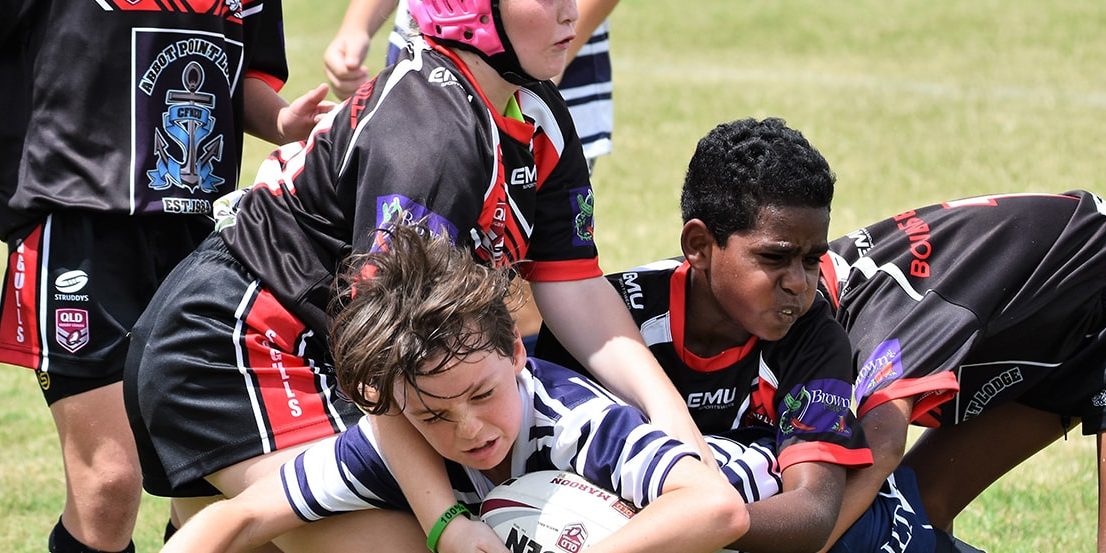
Winter sport season in Australia brings with it cold mornings, high energy, and some of the most competitive and rewarding sports on the calendar. Whether you are hitting the slopes for skiing or snowboarding, lacing up for ice hockey, or gearing up for a rugby or field hockey season, being properly equipped makes a genuine difference not just to your performance, but to your safety.
This guide covers the best winter sports accessories for Australian athletes of all ages and levels, so you can head into the season prepared, protected, and ready to go.
Why the Right Winter Sports Accessories Matter
Winter conditions place additional physical demands on your body. Cold temperatures tighten muscles and reduce flexibility. Wet surfaces increase the risk of slips and falls. And in contact sports, harder and faster conditions mean impacts hit differently.
The right gear helps you stay warm, move freely, and stay protected throughout the season. Skimping on accessories might save money in the short term, but it can cost you far more in time off the field, or worse, a serious injury. Investing in quality protective gear before the season starts is always the smarter play.
Base Layers and Thermal Clothing
Good winter sport preparation starts from the inside out, and that means getting your base layer right.
A moisture-wicking thermal base layer sits closest to your skin and does two jobs: it keeps you warm and draws sweat away from your body so you are not sitting in damp fabric during a long session. From there, the layering system builds outward, such as a mid-layer for insulation, and an outer layer for wind and water resistance.
When choosing a base layer, look for merino wool or quality synthetic fabrics, flat seams that sit comfortably under pads and protective gear, and a fit that is snug without restricting movement. This applies whether you are a skier navigating runs in the snowy mountains or a hockey player training through a cold Sydney winter.
Getting the layering system right means you can regulate your temperature as you warm up through a match or session, rather than overheating or losing too much heat between plays.
Helmets and Head Protection
For skiing, snowboarding, and ice hockey, a quality helmet is not optional. Head injuries from falls and collisions are among the most serious risks in winter sports, and a properly fitted, sport-specific helmet is your first line of defence.
It is worth noting that helmets are sport-specific for good reason. A ski and snowboard helmet is designed to handle the impact profiles of falls on hard snow, while an ice hockey helmet is built to withstand collisions, puck strikes, and contact with the boards. Using the wrong helmet for your sport means it is not doing the job it was designed for.
Fit is everything. A helmet that moves around on your head during activity does not provide adequate protection. It should sit level, feel snug, and not shift when you shake your head. And if your helmet takes a significant impact, replace it, because the internal foam that absorbs energy can be compromised even when the outer shell looks fine.
For snow sports, goggles are a natural companion to the helmet. Look for UV protection, anti-fog lenses, and compatibility with the specific helmet you are wearing. For parents, a well-fitted helmet is one of the most critical kids’ winter sports accessories to sort out well before the season kicks off.
Protective Padding and Guards
Modern protective padding has come a long way. Today’s options are lighter, more flexible, and significantly more comfortable to wear than older generations of gear, and there is really no excuse not to wear them.
Across winter sports, the key pieces of protective gear include:
- Shin guards for field and ice hockey
- Knee and wrist guards for skiing and snowboarding
- Shoulder and elbow pads for ice hockey and rugby
- Ankle support braces for sports played on wet or uneven surfaces
Recreational and social players often underestimate how physically demanding winter sports can be. Even in non-elite competition, the speed, cold surfaces, and contact involved in many winter sports make protective gear well worth wearing.
For younger players, sizing matters. Kids’ winter sports accessories need to be sized correctly for their age and body. Gear that is too big shifts around during play and offers significantly less protection than something properly fitted. It is worth taking the time to get it right.
Custom Mouthguards — The Most Overlooked Winter Sport Accessory
Ask most winter sport athletes what protective gear they wear, and they will list helmets, shin guards, and pads without hesitation. Ask about their mouthguard, and the answer is often a cheap boil-and-bite from a sports store, or nothing at all.
This is a significant gap in protection, particularly for winter sports. Hockey, ice hockey, skiing, snowboarding, and rugby all carry a real risk of facial impact from sticks, falls, pucks, elbows, and collisions. The mouth is highly vulnerable in each of these sports, and dental injuries like chipped teeth, fractured roots, and soft tissue damage, are among the most common sport-related injuries seen by dental professionals.
A custom sports mouthguard is in a different league from anything available off the shelf. It is made specifically for the shape of your teeth and mouth, which means it stays in place during intense physical activity, does not restrict breathing, and provides a far higher level of protection. Boil-and-bite options, by contrast, often shift during play, create a false sense of security, and need to be clenched in place, which affects breathing and concentration.
The good news is that getting a custom mouthguard is now easier than ever. The entire process is digital, including your custom order and design. Once you have scheduled a fitting appointment, you will receive a link to complete your design from home and decide on the colour, style, and any personalisation, which can all be sorted at a time that suits you, right up until the evening before your appointment.
For parents, kids’ mouthguards should be a non-negotiable part of the kit list for any contact or collision sport. Junior players are just as vulnerable to dental injury as adults, and a properly fitted mouthguard is one of the most important investments you can make for their safety this season.
Grip Socks and Footwear
Your feet take a beating in winter sports, and the right footwear and socks make a bigger difference to comfort and performance than most athletes give them credit for.
Sport-specific footwear matters. Ski boots and snowboard boots are engineered for control and power transfer, while studded or cleated boots for field hockey and rugby provide grip on wet, heavy surfaces. Whatever sport you play, wearing the right shoe or boot for the conditions is foundational.
Thermal, moisture-wicking socks are an underrated winter sports accessory. Cold, wet feet sap your energy and concentration quickly, and the right sock keeps your feet warm and dry well into a long session or training day. Grip socks have also become widely popular across field sports for the added stability they provide inside boots, particularly on slippery surfaces.
Hydration and Recovery Accessories
One of the most common mistakes athletes make in winter is not drinking enough water. It is easy to underestimate how much fluid you are losing when it is cold outside, and you are not visibly sweating as much. Your body is working just as hard, and dehydration affects performance regardless of temperature.
An insulated drink bottle keeps your water from going cold during outdoor sessions and makes it much easier to stay on top of your fluid intake throughout a match or training day.
Recovery accessories are equally worth investing in as the season progresses. Foam rollers, compression garments, and heat packs help manage muscle soreness after cold-weather training, reduce the risk of overuse injuries, and keep your body feeling good enough to train and compete consistently. Winter sport seasons can be demanding, and the athletes who manage their recovery well are almost always the ones who stay on the field longest.
Gear Up and Get Into It This Winter
The winter sports season is one of the best times of year to compete, train hard, and challenge yourself. With the right winter sports accessories in your kit bag, you give yourself every advantage by staying warmer, moving better, and staying protected when it matters most.
Start with the fundamentals: a quality base layer, the right helmet for your sport, appropriate protective padding, and a custom mouthguard that actually fits. From there, invest in the smaller details such as grip socks, good footwear, an insulated drink bottle, and make sure your recovery routine is keeping pace with your training load.
If you are ready to tick the most important accessory off your list, design your custom mouthguard today from the comfort of home. The process is fully digital, quick to complete, and ready when you are. Find out how it works and get yours sorted before the season gets underway.
