Can you wear a regular mouthguard with braces?
Not a regular one: the Australian Society of Orthodontists says you need a special mouthguard for braces.
Its guide says: “Standard mouthguards aren’t designed to fit over braces”. Your orthodontist can tell you which guard suits your treatment and your sport. Shop guards made for braces cost about $45 to $110, and you fit them yourself at home.
More
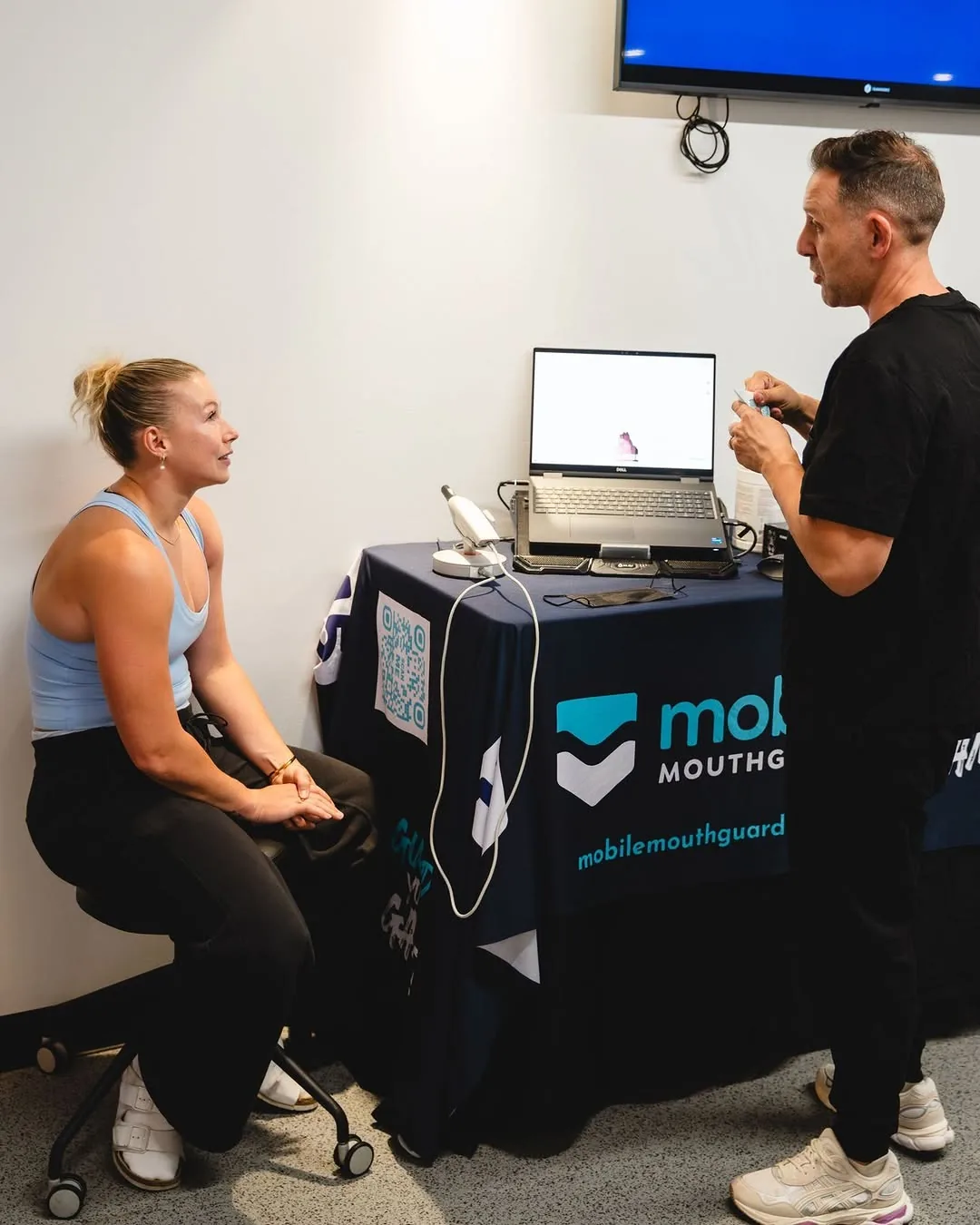
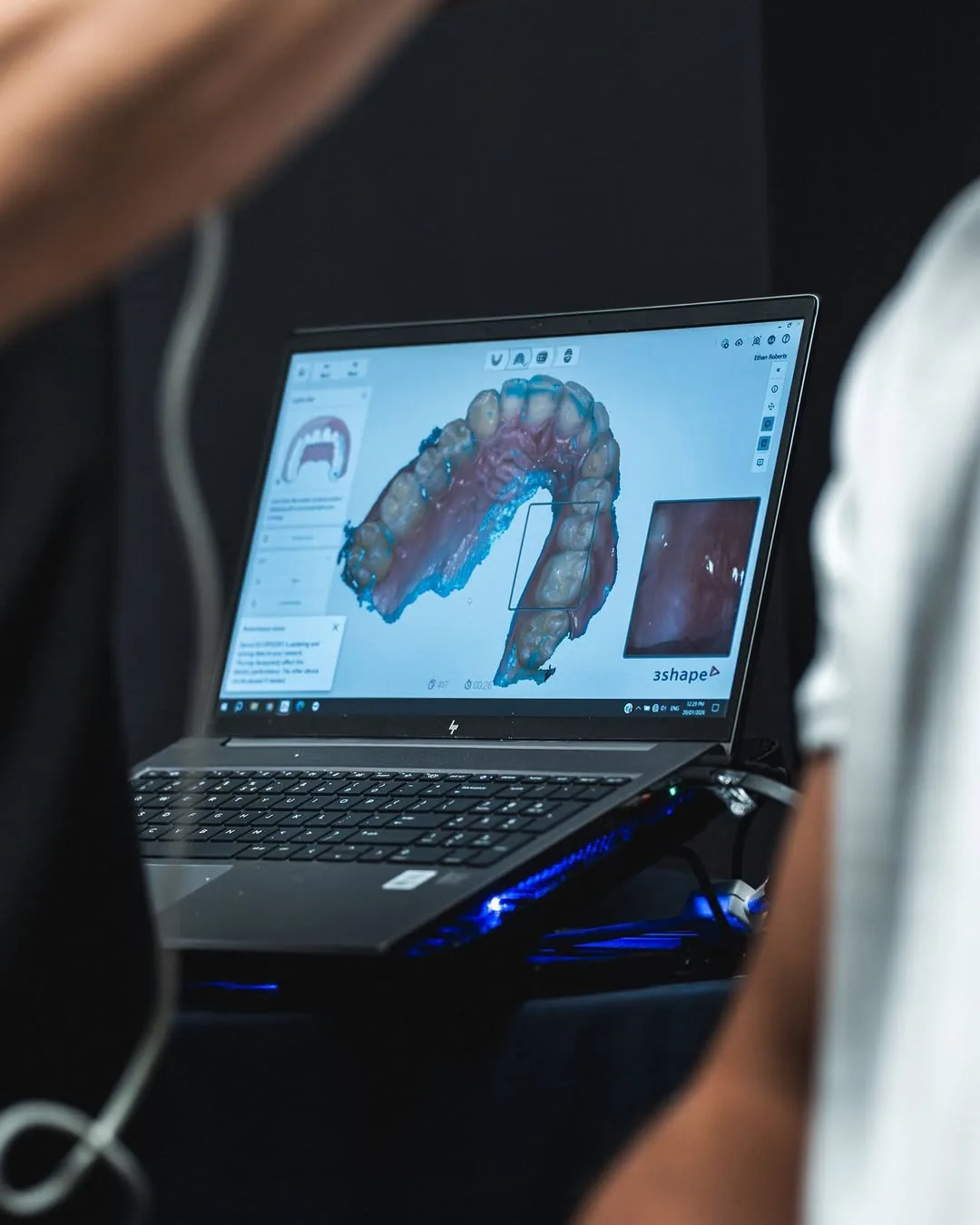
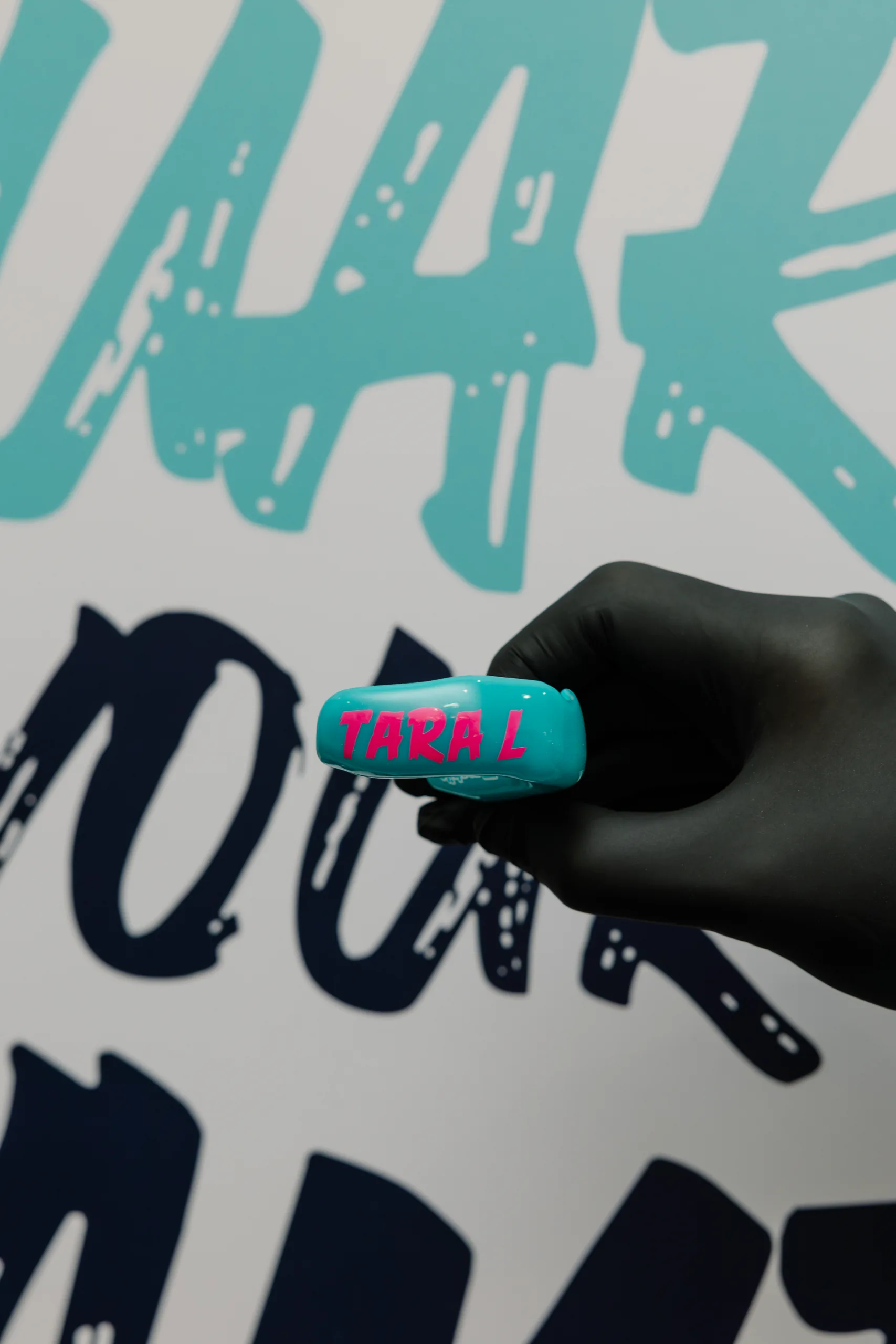
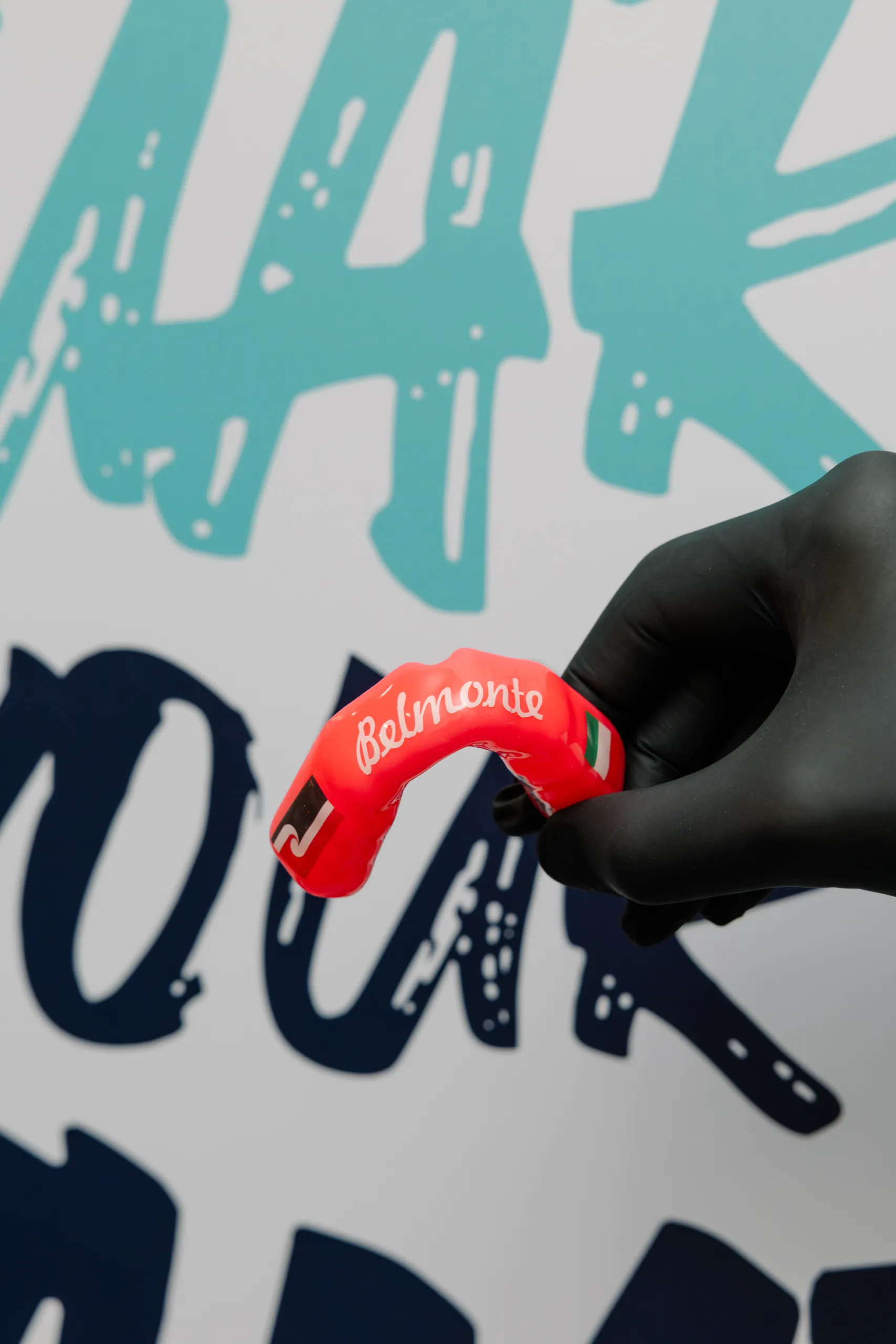
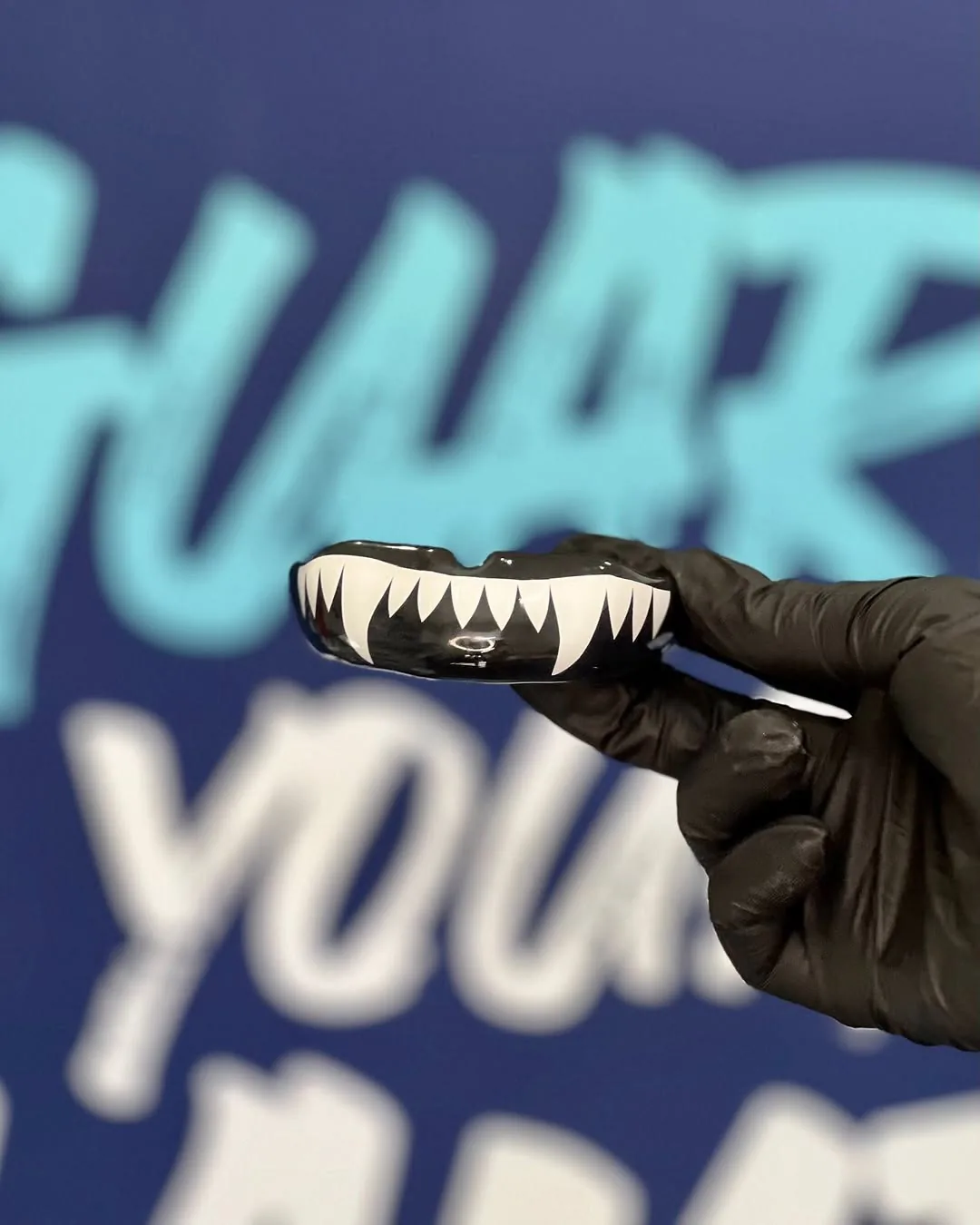
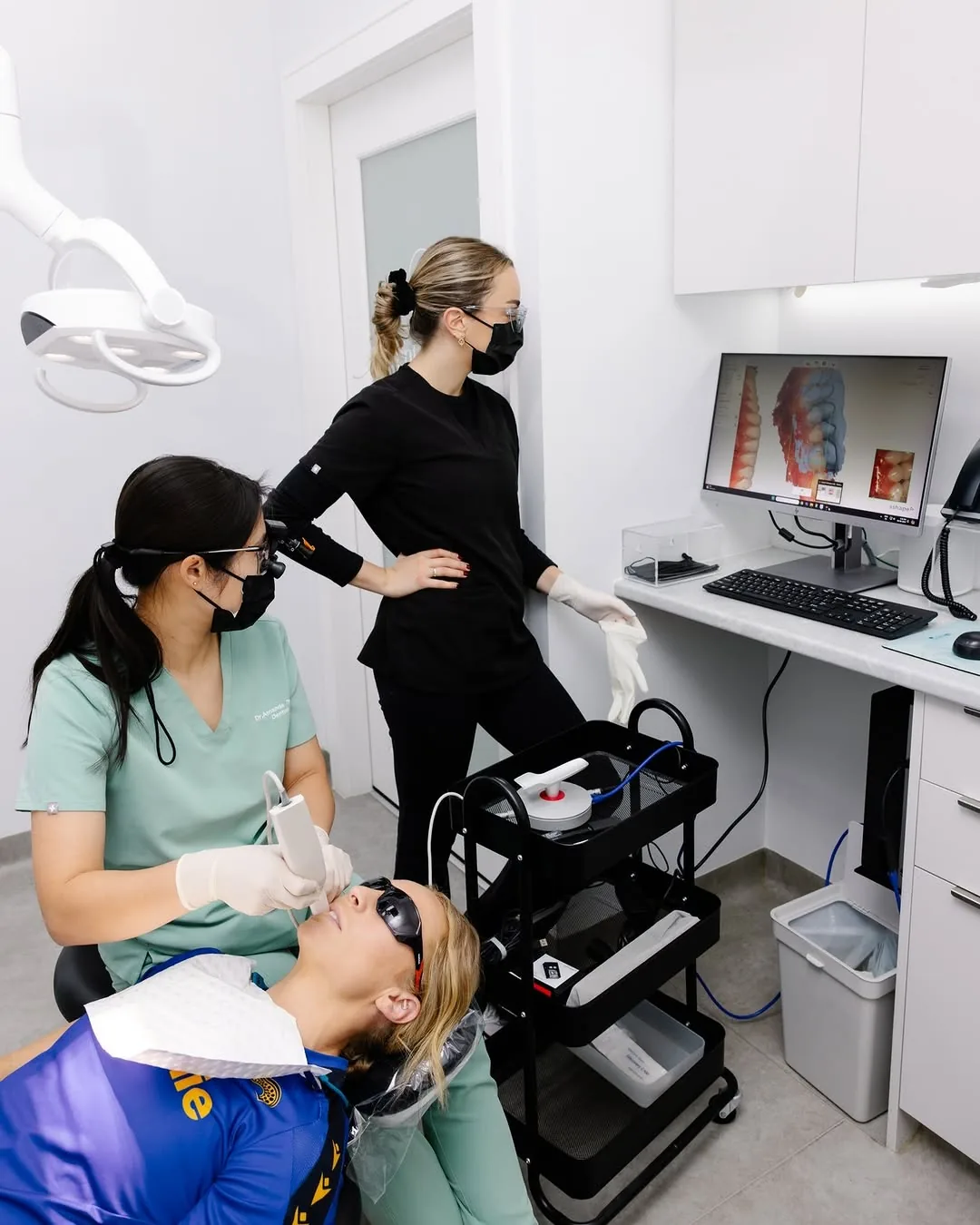
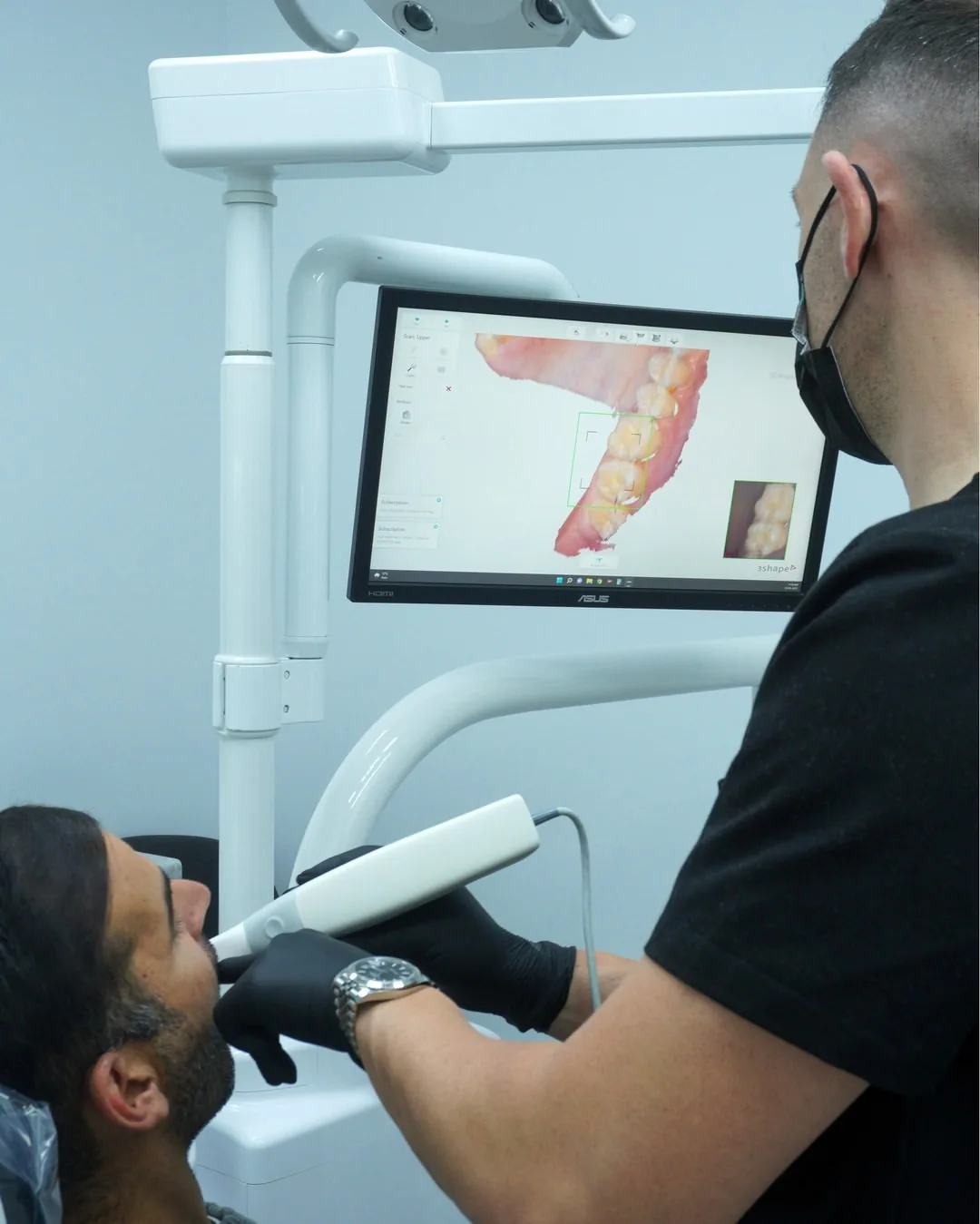
A custom guard is different: our lab makes it to a 3D scan of your teeth. That is why timing matters with braces. The guard takes the shape of your teeth on the day of your scan.
Which mouthguard is best for braces?
It depends on where treatment is up to: early on, the Australian Society of Orthodontists suggests a guard you can reshape, and the Australian Dental Association recommends custom guards.
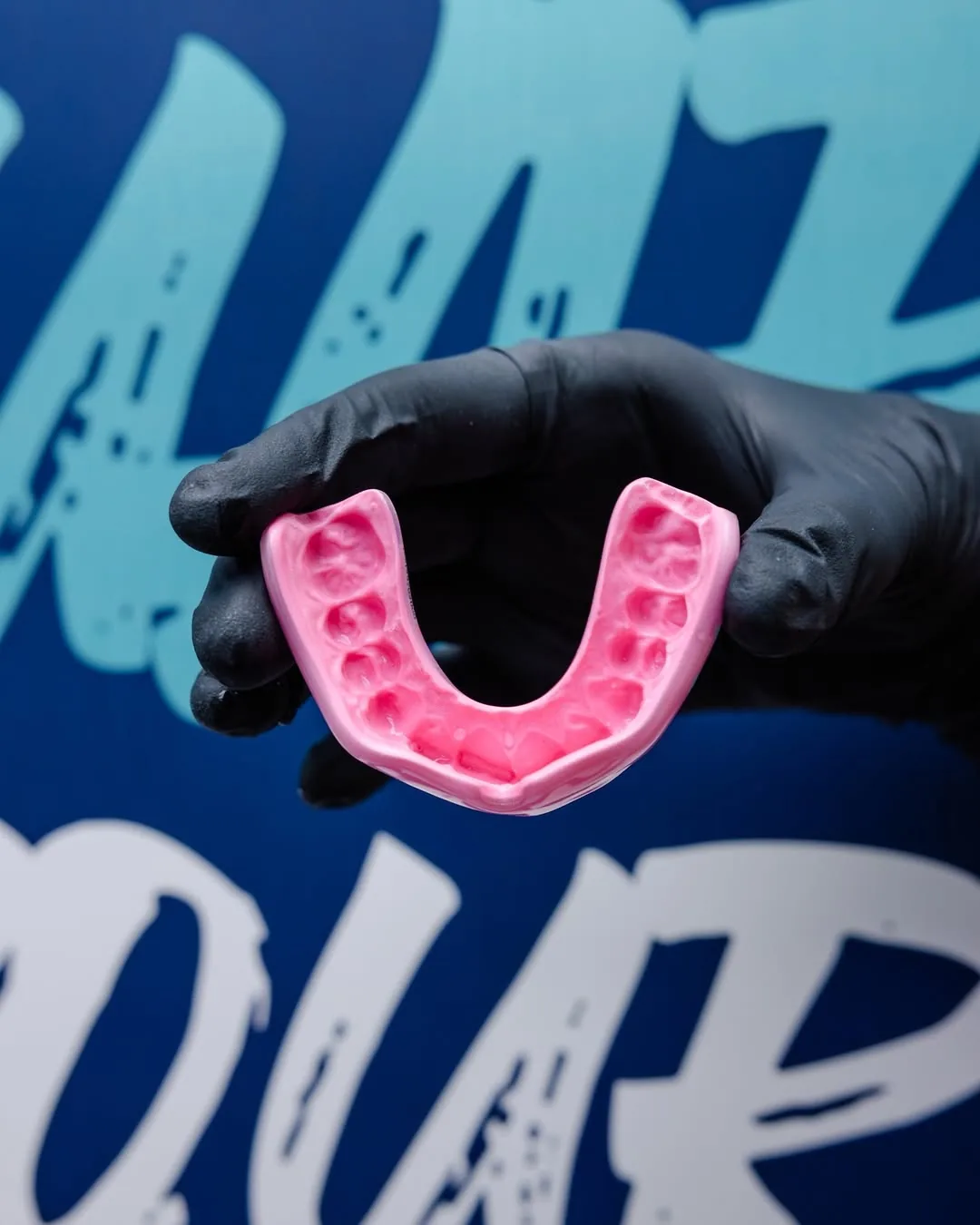
There are three kinds. A shop guard made for braces is worn as it comes, with a channel for the brackets. A boil-and-bite guard is softened in hot water and bitten into at home. A custom guard is made in a lab from a scan of your teeth.
More
Shop braces guards cost about $45 to $110. Our custom Light guard is $230 for children 15 and under, and adults pay the tier their sport needs. We plan a custom guard around your treatment, so call us before you order.
Can you use a boil-and-bite mouthguard with braces?
Ask your orthodontist before you mould one.
A boil-and-bite guard takes its shape when you bite into the softened plastic, so over braces it is shaped around the brackets as well as your teeth.
More
As your teeth move, it stops matching them, the same as any guard made to your teeth on one day.
Can you get a custom guard over braces?
Yes, the Australian Dental Association says orthodontic patients “should be provided with custom-made mouthguards”, and we make one when the timing is right.
For children, that means a Light mouthguard once their teeth are aligned. While teeth are still moving, we recommend waiting. The British Orthodontic Society says a custom guard made while teeth move “would need to be changed frequently”.
More
Adults with braces get the tier their sport needs, and we check the timing the same way. Call before you design or pay, and we’ll discuss the right timing with your orthodontist or dentist.
What happens as teeth move?
Moving teeth need a new scan.
Braces move teeth, and a custom guard is made from your teeth as they were on scan day. Once they have moved, you need a new scan.
More
We can’t promise one guard will last through treatment. You may need a new assessment or scan along the way. We keep your scan on file, but orthodontic treatment can mean a new one is needed.
If your guard becomes tight or rubs, stop using it and call us or your orthodontist. Don’t force it over the brackets.
Do you need a guard top and bottom?
It depends on your sport’s rules.
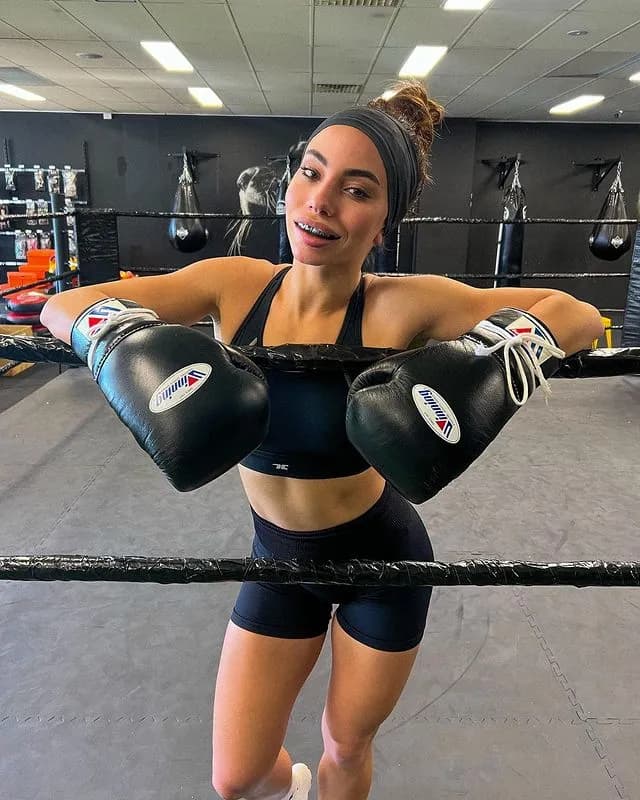
WAKO kickboxing rules require competitors with braces to wear a guard for both their upper and lower teeth. Other sports set their own rules, so check with your club or competition before the season starts.
More
Tell us what your competition needs when you call, and we’ll talk it through before you order.
What about Invisalign and clear aligners?
Aligners come out for sport.
Clear aligners such as Invisalign are removable, so they come out to play and the mouthguard goes in.
More
Your teeth are still moving through aligner treatment, so the same timing applies. Ask your orthodontist how a mouthguard fits into your treatment, then call us before you order.
When should you talk to your orthodontist?
Before you order, and whenever something changes.
Before you order, ask whether your teeth are still moving and when your next adjustment is, and tell us both when you call.
More
- While you wait: ask which protection suits your treatment and sport until the timing is right.
- After an adjustment or a new appliance, if your guard feels different.
- If your guard is tight, rubs or no longer sits properly. Stop wearing it until you have spoken to them.
- When your braces come off. Your teeth have a new shape, and a new scan may be needed.